xenoglossyx icon — interconnected vehicle systems, 48x48 xenoglossyx
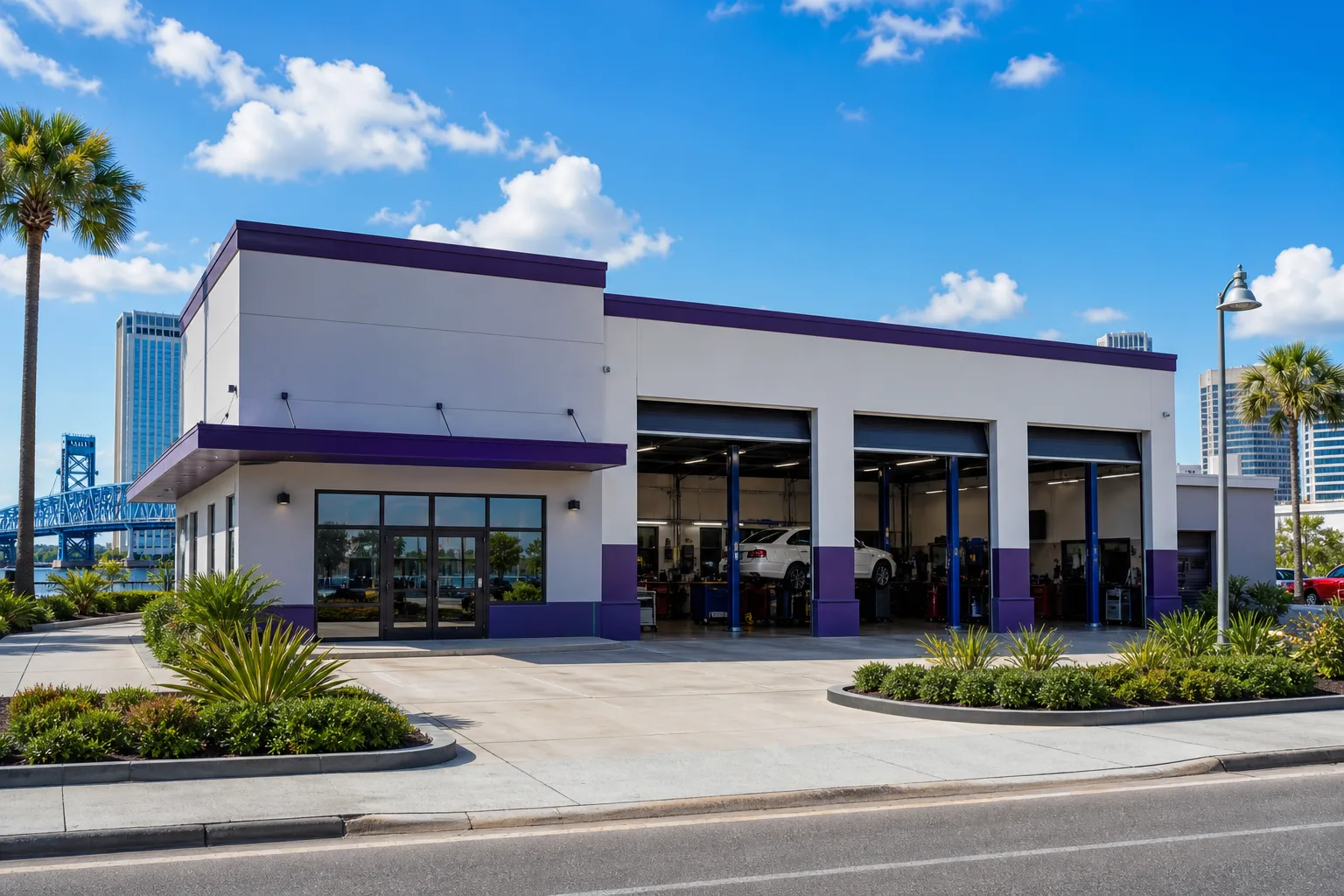
Exterior of xenoglossyx auto repair workshop on N Laura Street in Jacksonville, 1920x1080

Our Story

Built on the Belief That Every Part Tells a Story About Another

xenoglossyx was founded in Jacksonville with a single conviction: a vehicle is not a list of replaceable items, but a living network where stress travels. Our workshop exists to read those connections — and to repair with context, not convenience.

Where the Systems Mindset Began

The idea for xenoglossyx took shape after years of watching the same vehicles return to generic shops with the same fault codes — each time after a different part had been replaced. A knock sensor swapped here, a vacuum line patched there, a throttle body cleaned months later. None of the technicians had asked why the failures kept clustering in the same subsystem.

Our founders — experienced diagnostic specialists who had worked across fleet maintenance and independent repair — decided to build a workshop where no repair closes until adjacent components have been evaluated. That principle became the foundation of everything we do at 1615 N Laura St: inspect the network, document the relationships, then act with a plan that accounts for the whole vehicle rather than a single symptom.

"We do not ask what part failed. We ask what else was affected — and what will fail next if we stop here."

— Founding principle of xenoglossyx
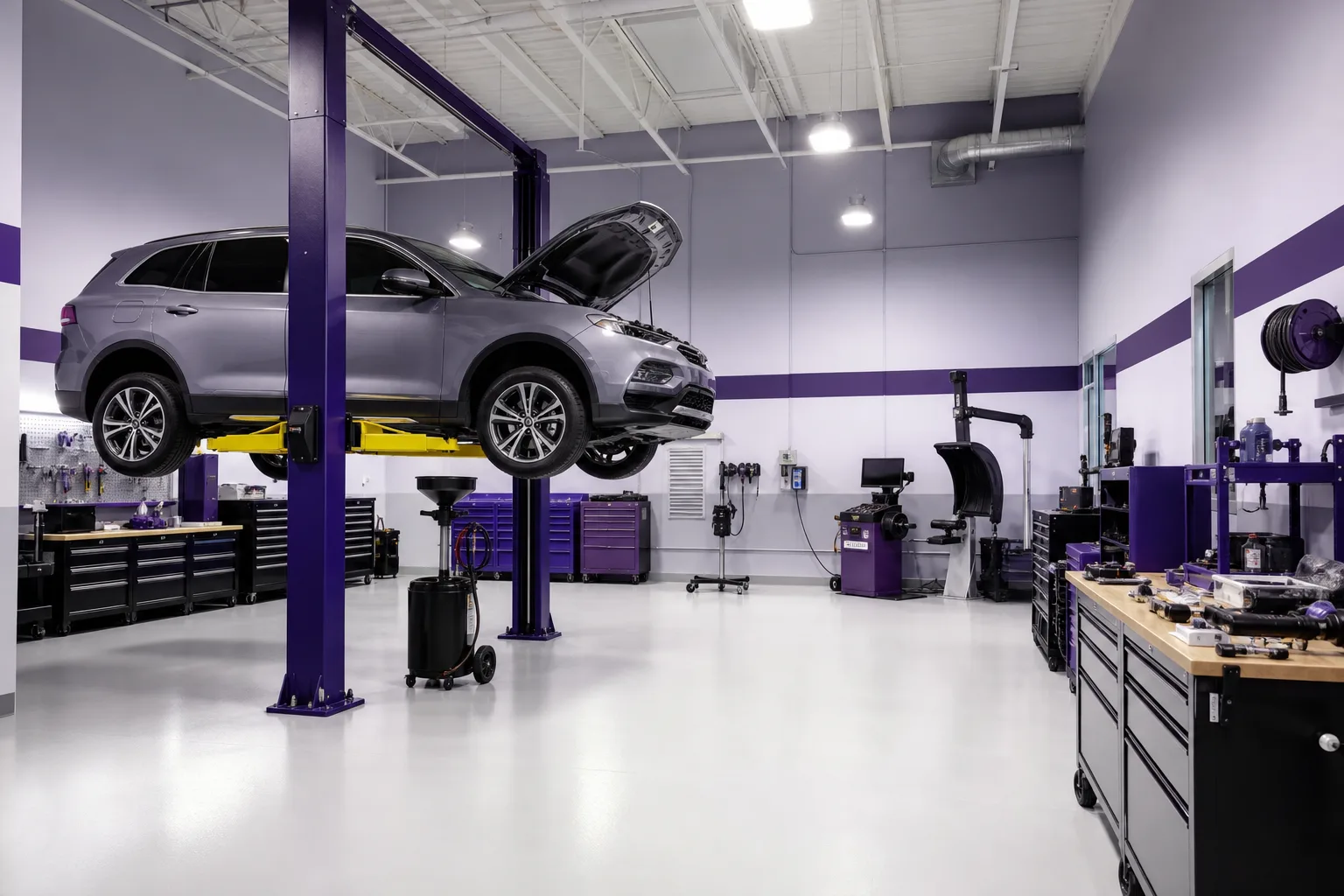
Interior of xenoglossyx service bay with lift, diagnostic equipment and organized tool stations, 1200x800

A Workshop Designed for Connected Diagnostics

Our Jacksonville facility spans multiple service bays equipped for simultaneous mechanical and electronic diagnostics. Each bay includes dedicated scan tool stations, pressure testing rigs for oil and coolant circuits, and vibration analysis equipment for crankshaft pulley and mount bracket evaluation.

Unlike shops that separate electrical work from mechanical work, our layout encourages cross-disciplinary inspection. When a technician replaces an exhaust ball joint, the adjacent bay can simultaneously run a vacuum sensor trace — because we understand these systems interact under load.

  • 1 Climate-controlled parts staging area for throttle bodies, dampers, and sensor assemblies
  • 2 Dedicated electrical bench for fuse block and fusible link circuit analysis
  • 3 Documentation station where wear interconnection maps are generated for every major repair

Principles That Guide Every Repair

These values are not marketing language — they are operational rules that every technician follows before signing off on a vehicle.

Context Before Replacement

No component is removed without understanding its role in the broader system. A failed knock sensor may indicate timing issues upstream; a seeping gasket may signal mount bracket flex. We trace cause chains before ordering parts, which saves our clients from repeat failures and unnecessary expenses.

Transparency in Every Recommendation

Every proposed repair comes with a plain-language explanation of why it matters and what happens if it is deferred. Our wear interconnection maps are shared openly — not hidden behind jargon — so vehicle owners can make informed decisions about priority and timing.

Prevention Over Reaction

Reactive repair is expensive. We invest time during every visit to identify wear patterns that will cause the next breakdown. Checking adjacent mounts when servicing a crankshaft damper, or inspecting vacuum lines during throttle body work, is standard — not optional.

Respect for Your Time and Vehicle

First-visit resolution is a metric we track because returning for the same fault wastes your schedule and erodes trust. Our systematic process is designed to get the diagnosis right the first time, even when it requires more upfront inspection than a quick swap would demand.

Partnerships and Industry Affiliations

xenoglossyx maintains active relationships with parts suppliers, specialist machine shops, and regional fleet operators who share our systems-first philosophy. These partnerships extend our capabilities without compromising our diagnostic standards.

When a repair requires fabrication beyond our in-house scope — such as custom engine mount bracket reinforcement or specialized exhaust flex joint assemblies — we coordinate with vetted partners who understand our documentation requirements and quality thresholds.

Gulf Coast Parts Consortium

Preferred supplier network for OEM-spec throttle bodies, harmonic dampers, and sensor assemblies with verified provenance and same-day Jacksonville delivery.

Florida Fleet Maintenance Alliance

Collaborative program sharing diagnostic data across commercial operators to identify systemic failure patterns in high-mileage drivetrain configurations.

Northeast Florida Technical College

Guest lecture partnership where our senior technicians teach systems diagnostics to apprentice mechanics, reinforcing industry-wide adoption of connected repair thinking.

Precision Machine Works

Specialist machining partner for crankshaft pulley resurfacing, mount bracket welding, and custom exhaust flange fabrication when off-the-shelf components are insufficient.

The Diagnostic Documentation Lab

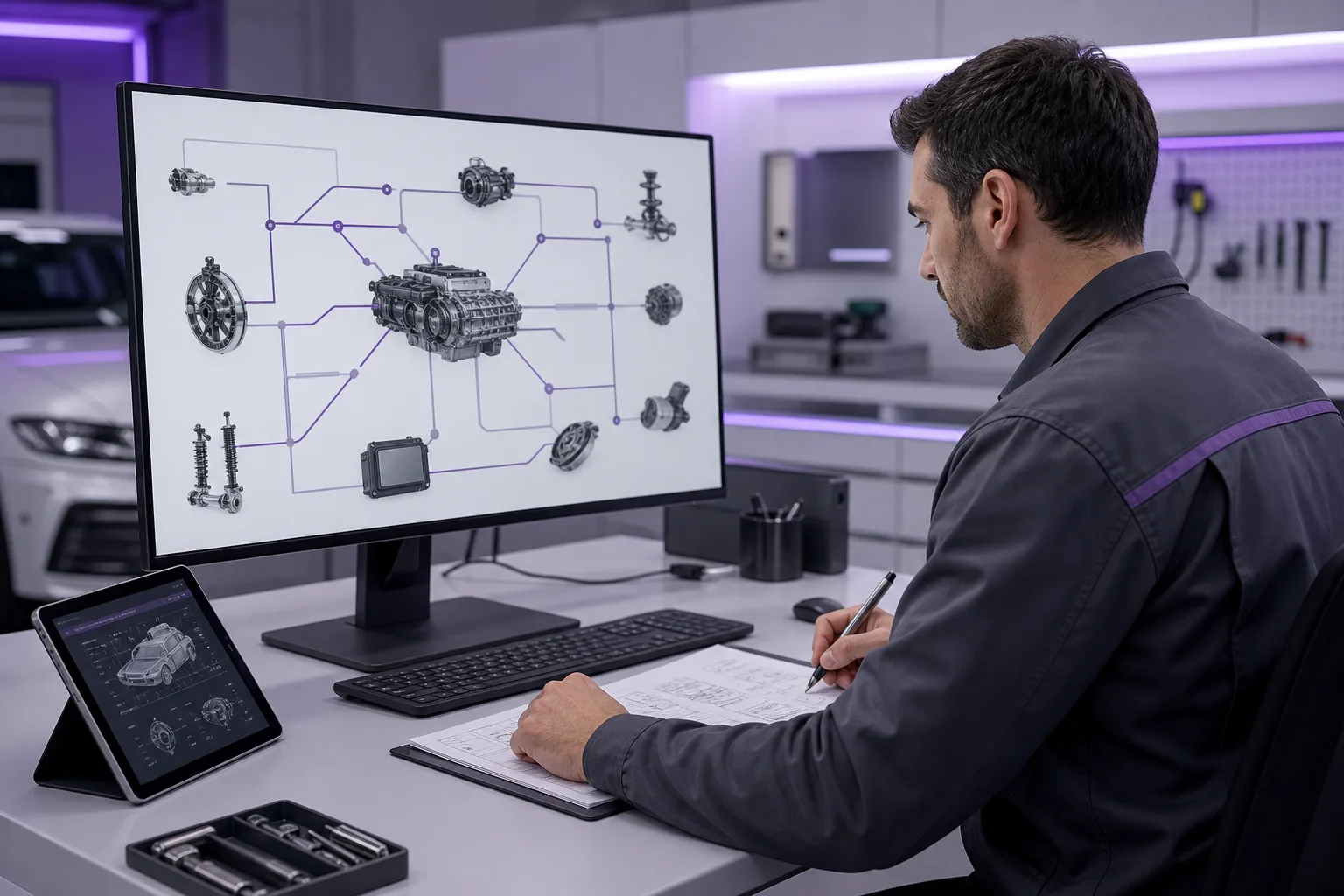
One of the most distinctive spaces in our workshop is the documentation lab — a quiet area where technicians compile wear interconnection maps, annotate scan data, and build repair histories that follow a vehicle across multiple visits. This is where short-term fixes become long-term maintenance strategies.

Every major service generates a structured report: initial findings, adjacent system observations, parts replaced, torque specifications applied, and post-repair verification results. These records help us — and you — track how a vehicle ages as an integrated system rather than a series of disconnected events.

For fleet clients and repeat visitors, this historical layer becomes invaluable. We can show exactly when a mount bracket first showed micro-fractures, how oil seepage patterns evolved over three inspections, and which preventive steps were taken at each stage.

Technician compiling vehicle wear interconnection map at documentation workstation, 1200x800

Want to Learn More About Our Approach?

Whether you have a specific concern or simply want to understand how systematic repair differs from conventional service, our team is available around the clock to answer your questions and schedule an inspection.

Contact Us

Explore Our Technical Articles

Our specialists publish in-depth guides on interconnected vehicle systems — from knock sensor networks to oil seepage tracing. Written for vehicle owners who want to understand the logic behind systematic maintenance.

Important Information

The information provided on this website is intended to help vehicle owners understand the principles of systematic auto maintenance and the services offered by xenoglossyx. Content on these pages describes general repair methodologies, diagnostic approaches, and workshop capabilities. It should not be treated as a substitute for a professional inspection of your specific vehicle.

xenoglossyx provides consultation and repair services in the field of automotive systems maintenance. Every vehicle presents unique conditions based on its make, model, mileage, driving environment, and service history. Recommendations described here may not apply universally. We encourage you to speak with a qualified technician before making repair decisions.

Diagnostic outcomes, repair timelines, and service results vary depending on vehicle condition and parts availability. References to performance metrics on this site reflect historical workshop data and do not guarantee identical outcomes for every vehicle. Past service results do not ensure the same results for future repairs.

xenoglossyx is not responsible for decisions made by vehicle owners based solely on website content without a direct consultation. Always verify technical specifications with your vehicle manufacturer documentation and rely on certified professionals for safety-critical components including braking, steering, and structural systems.