Throttle Body Replacement Is Not Complete Without System Recalibration
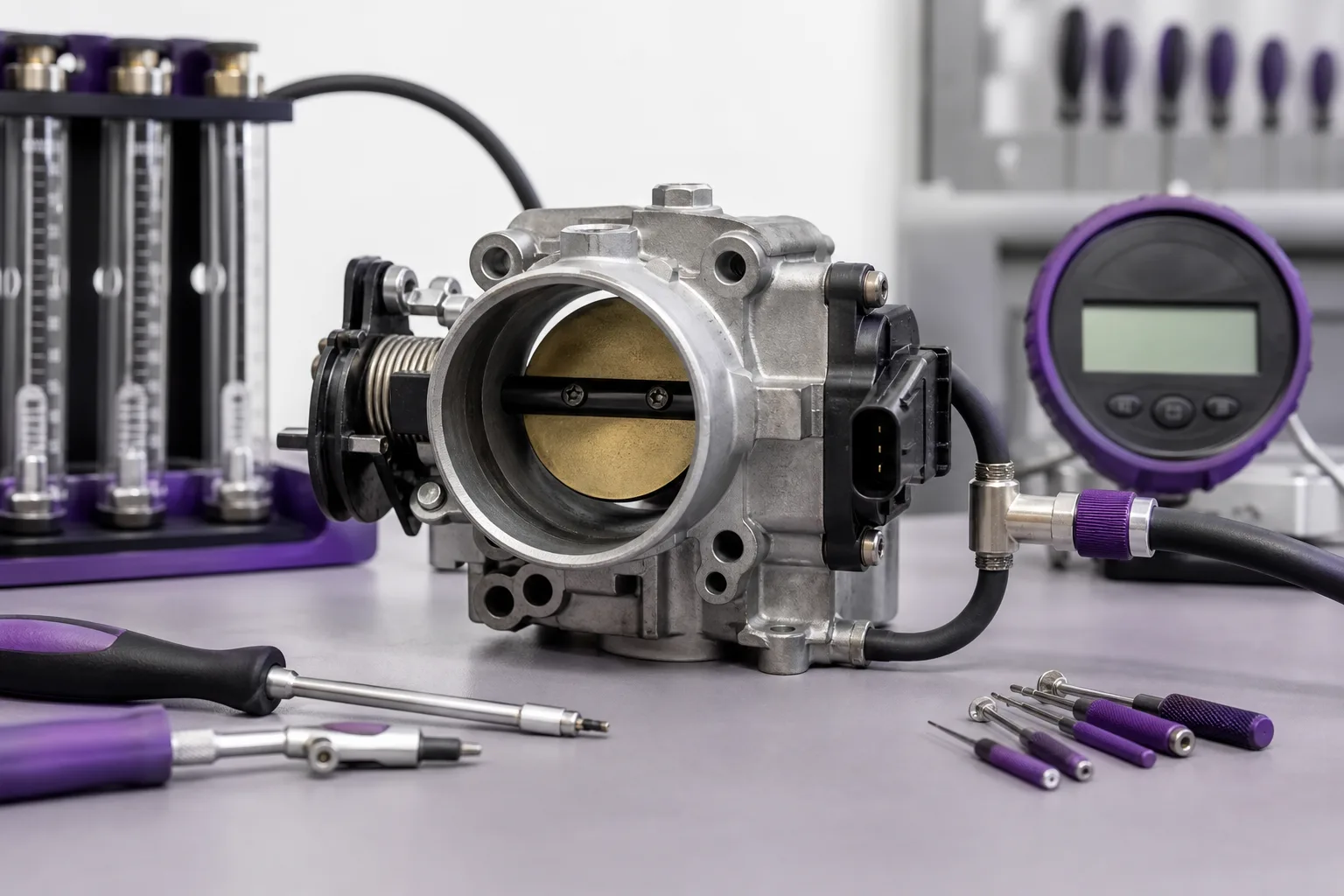
Bolting on a new throttle body housing looks like a straightforward swap. Within a week, the same vehicle often returns with rough idle, stalling at stops, or unexpected acceleration — because the ECU is still operating with adaptive values calibrated to the old unit.
The Throttle Body as an Airflow Gatekeeper
The throttle body regulates how much air enters the intake manifold. Modern electronic throttle control units have no direct cable link — the ECU commands a motor to open the plate to precise angles based on driver input, engine temperature, and load. Even minor differences in bore diameter, plate surface finish, or motor response between old and new units change the airflow curve.
Why Adaptive Values Matter
Over thousands of miles, the ECU learns compensation values for idle speed, deceleration fuel cut, and tip-in response. These learned values assume a specific mechanical baseline. When you replace the throttle body without resetting adaptations, the computer continues compensating for a component that no longer exists — creating a mismatch that manifests as hunting idle or delayed throttle response.
Symptoms of Uncalibrated Replacement
- Rough or surging idle immediately after warm-up
- Stalling when transitioning from drive to neutral
- Delayed throttle response or unexpected RPM flare on tip-in
- Intermittent check-engine light with idle-related codes
Our Recalibration Procedure
After installing a new throttle body assembly with a fresh gasket and torqued fasteners, we perform a full adaptation reset using manufacturer scan tools. The procedure typically includes cleaning the throttle plate and bore, verifying TPS voltage sweep, and running an idle relearn cycle with all accessories off and the cooling fan cycled.
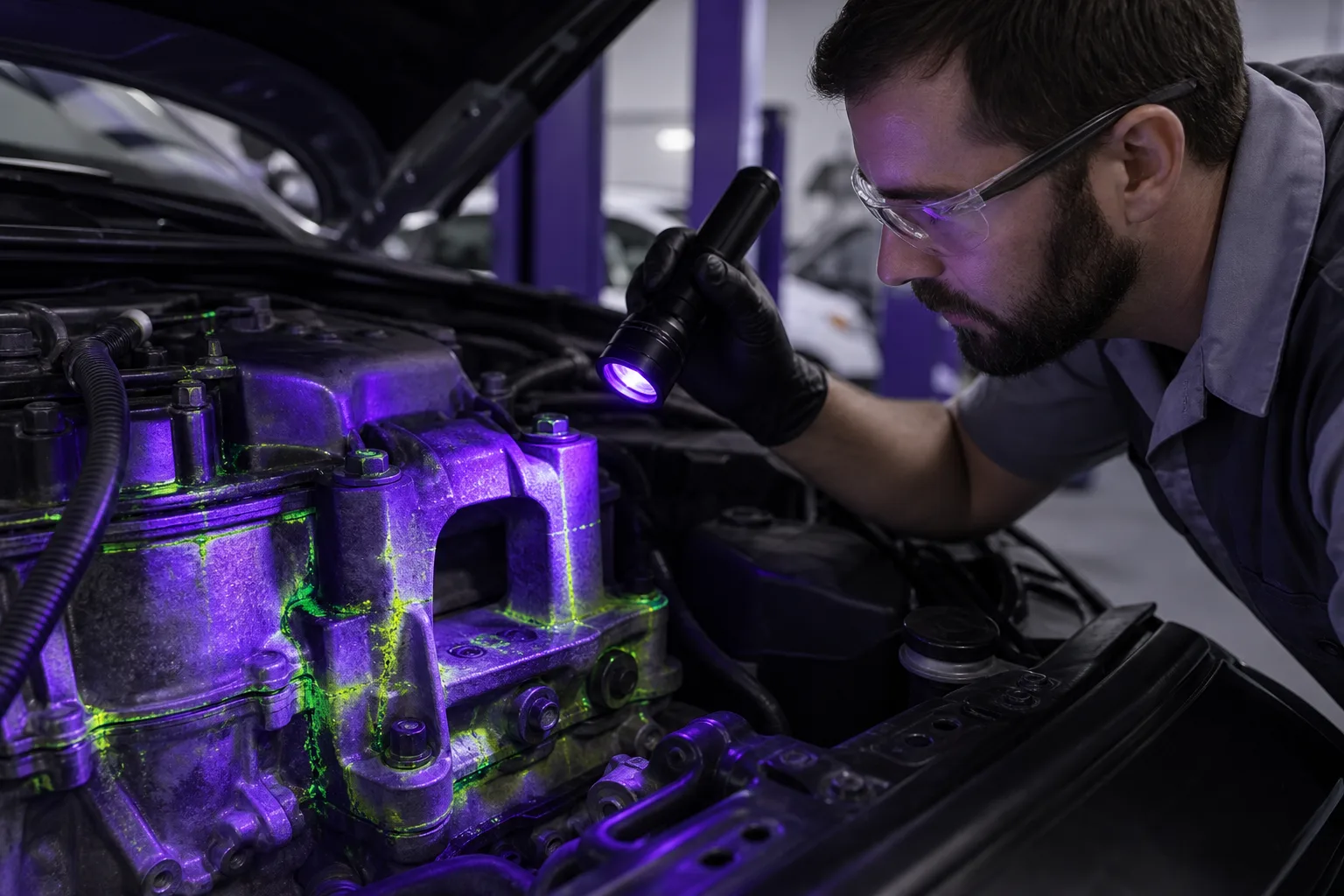
We also inspect adjacent systems: PCV flow, intake manifold gasket integrity, and vacuum sensor readings. A vacuum leak downstream of the throttle body will corrupt any recalibration attempt — which is why we never treat throttle body work as an isolated task.
When Replacement Alone Is Insufficient
Carbon buildup inside the bore, worn throttle motor gears, or a cracked housing may mimic calibration issues. If relearn procedures fail after three attempts, we scope the motor current draw and inspect the wiring harness for resistance faults before condemning the new unit.
What to Ask Your Technician
Before authorizing throttle body replacement, confirm that the estimate includes adaptation reset and post-repair verification under load. A shop that only quotes parts and labor for the swap is leaving half the procedure unfinished — and you may pay for that gap on the next visit.